0
About
No items found.
Speak with us
Lorem ipsum dolor sit amet, consectetur adipiscing elit. Suspendisse varius enim in eros elementum tristique. Duis cursus, mi quis viverra ornare
View all fees
DriversPressRA WorkshopContact
0
CI Motorsports takes race car preparation beyond a basic checklist, applying professional-level inspection, chassis tuning, and data-driven setup work to every Porsche GT4 before competition. From mechanical checks and suspension geometry through to trackside engineering support on race day, here is a full breakdown of how the team keeps its cars race-ready.
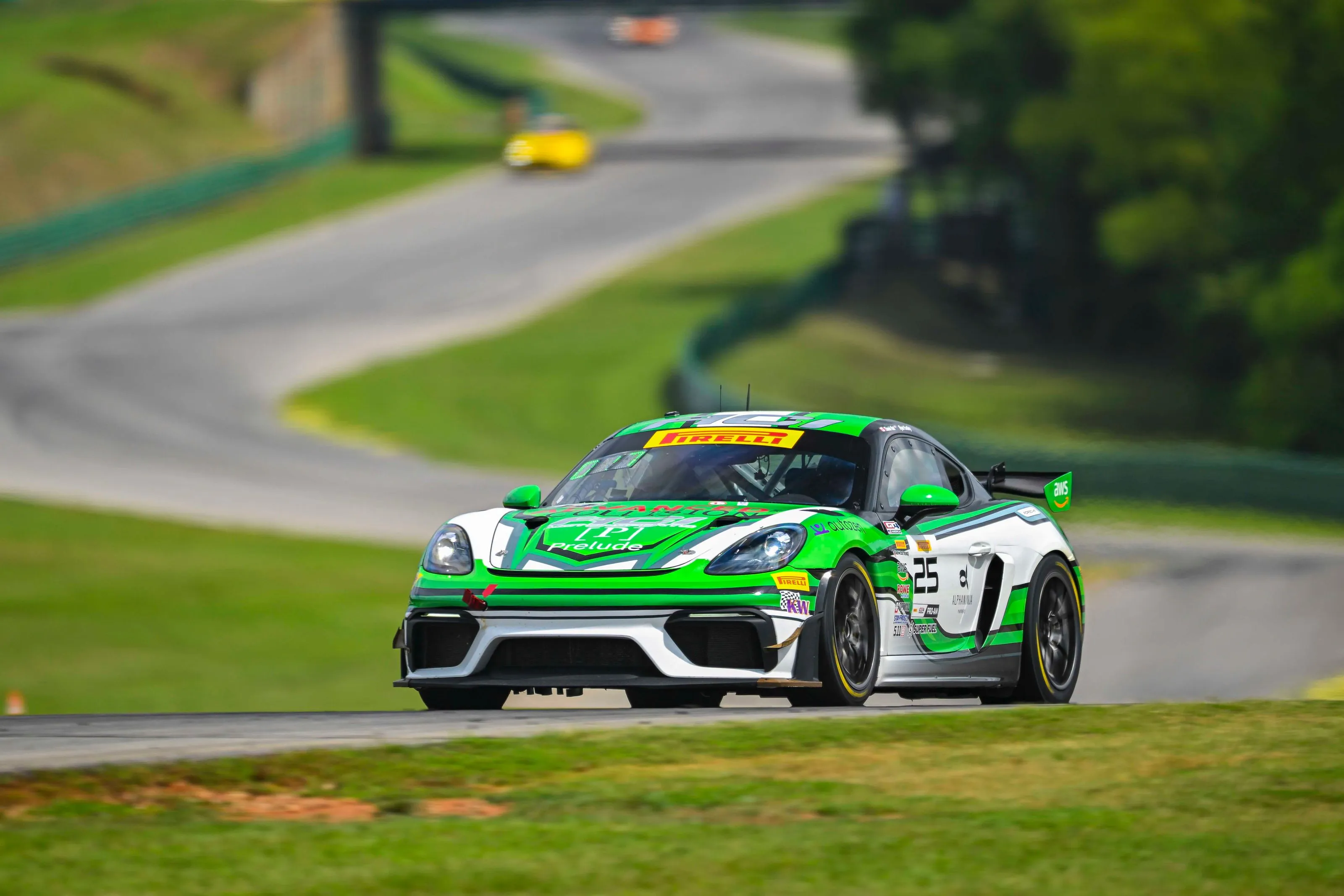
When a Porsche 718 Cayman GT4 rolls out of the ACI Motorsports workshop, it is not simply mechanically sound. Every system has been inspected, every setup parameter has been deliberately chosen, and every detail has been verified against the demands of the circuit ahead. That level of readiness does not happen by accident. It is the product of a structured, experience-driven race car preparation process built by a team that competes at the highest level of North American motorsport.
Racecar preparation is where championships are shaped. A car that arrives at the grid perfectly set up, mechanically reliable, and dialled in for the conditions gives its driver the best possible foundation to perform. One that does not can lose positions before the lights even go out. This post walks through what that preparation process looks like at ACI Motorsports, from the first pre-event inspection to the moment the car is released onto the track.
Race car preparation covers everything that happens between one race event and the next. It includes mechanical inspection, component replacement, chassis setup, engine checks, safety system verification, and data-informed tuning adjustments. For a GT4 car competing in series like SRO Pirelli GT4 America or GT America Powered by AWS, the margin between a well-prepared car and one that is not can be measured in tenths of a second or in a retirement from the race.
Good preparation is part mechanical, part analytical, and part experience. Every system on a racecar interacts with the others. Suspension geometry affects tyre wear. Tyre wear affects braking distances. Braking performance feeds into how confidently a driver can carry speed into a corner. Teams that consistently produce race-prepared cars understand that getting one element wrong creates a ripple effect across the rest.
Preparation is also about consistency. A professional team does not approach each event differently depending on who is available or what time allows. There is a process that is followed every time, and it is refined after every weekend.
ACI Motorsports is a professional Porsche racing team based in Chattanooga, Tennessee, with a dedicated preparation facility at Road Atlanta in Georgia. The team competes across multiple series in Porsche GT4 machinery, which means car preparation and maintenance are not add-on services. It is the core of how the organisation operates.
Every car that comes through the ACI workshop is worked on by technicians who also support those same vehicles at race weekends. That real-world racing experience is what separates a shop that can service a race car from one that genuinely understands what it needs to compete. The team knows what happens when a component wears faster than expected mid-race. They know which setup adjustments can unlock performance at a specific circuit. And they know how to read the data from one event to make better decisions at the next.
The preparation process at ACI is methodical and documented. Setup changes are recorded and carried forward. Pre-event inspections follow a consistent structure. Nothing is assumed from one event to the next, because in motorsport, assumptions are how problems find their way onto the grid.
A thorough race car preparation checklist is the foundation of consistent performance. Every item on that list exists because something, somewhere, has gone wrong when it was skipped. At ACI Motorsports, the pre-event process covers the following core areas.
Suspension components, wheel bearings, brake pads and discs, callipers, hoses, and fasteners are all checked and replaced or torqued to specification where necessary. Wear is assessed against the demands of the upcoming circuit, not just against whether a component has technically reached the end of its life.
Engine oil, coolant, brake fluid, and gearbox oil are checked and refreshed. For a GT4 car running hard on the circuit, thermal management is critical. Degraded fluids are changed, not simply topped up, because fluid condition affects performance in ways that do not always show up until a car is under race load.
Tire condition and wear patterns are assessed. Pressures are set for the specific circuit and expected track temperatures. Wheels are inspected for any damage from the previous event that could affect balance or structural integrity.
Camber, toe, and caster settings are verified against the setup sheet for the target circuit. Corner weights are measured and adjusted to achieve the right balance for the car's configuration and the driver's preferences.
Sensors, telemetry logging, and ECU function are tested before the car reaches the circuit. Data from the previous event is reviewed to identify anything that warrants further investigation, and to inform setup decisions going into the new weekend.
Harness condition, fire suppression system charge, roll cage integrity, and all driver safety equipment are inspected and confirmed as compliant with series regulations. This is not a box-ticking exercise. At racing speeds, these systems have one job, and they need to be ready to do it.
This checklist is a starting point, not a ceiling. The specific requirements of each circuit and series add further layers to what gets inspected and adjusted.
Suspension setup is one of the most consequential elements of race car prep, and one of the most nuanced. The Porsche GT4 platform offers meaningful adjustability in camber, toe, and ride height, and each of those settings has a direct effect on how the car handles through different types of corners.
Negative camber on the front axle improves cornering grip by keeping more of the tyre contact patch in contact with the track during lateral loading. Too much of it, and straight-line traction suffers along with tyre wear. The right setting depends on the circuit layout, the tyres being used, the expected weather conditions, and the individual driver's style.
Ride height affects both aerodynamic behaviour and mechanical grip. Lowering the car can increase downforce and reduce body roll, but too low and the car risks bottoming out on kerbs or over compression points at high-speed circuits. The ACI engineering team uses data from previous events at the same circuit alongside setup history to find a configuration that works across a full race stint, not just a qualifying lap.
Damper rates and anti-roll bar settings are adjusted to balance body roll against responsiveness. Stiffer settings suit smooth, high-speed circuits where stability is the priority. Softer settings improve traction and compliance on circuits with more surface variation or heavy braking zones. Getting this balance right is one of the areas where experience counts most, because no amount of data replaces having prepared a car for the same track across multiple seasons.
The Porsche GT4's flat-six is a well-engineered engine, but race conditions demand more from it than road use ever would. Part of the ACI preparation process is confirming that the engine is operating correctly across its full rev range, with throttle response, temperature management, and output all verified against expected parameters.
ECU data from the previous event is reviewed for anything outside normal operating ranges. Cooling system performance is checked carefully, particularly before events at circuits where the car spends more time in slower, tighter sections with reduced airflow. Air filter condition is confirmed, and the exhaust system is inspected for damage or loose joints that could affect back pressure and performance consistency.
The objective is not to find hidden power between events. It is to confirm that every available horsepower arrives at the wheels reliably, across the full duration of a race. Consistency matters more than peak output in endurance and sprint formats alike.
Thorough race car preparation is not solely about going faster. A well-prepared car is a safer car. Mechanical failures at racing speeds can have serious consequences, and the purpose of a rigorous pre-event process is to eliminate preventable risks before they can materialise on track.
Brake system inspection receives particular attention. Pad wear, disc condition, fluid quality, and pedal feel are all assessed because brake performance degrades across a race weekend and the baseline it starts from matters. Harness condition is checked for any fraying, stretching, or damage to mounting hardware. Fire suppression systems are confirmed as fully charged and operational.
At ACI Motorsports, safety and performance are treated as two sides of the same discipline. A car that retires from a race is not a competitive car. Preparation that eliminates mechanical risk is preparation that also improves results.
Preparation does not end when the transporter leaves for the circuit. On event weekends, the ACI team provides full trackside support, with engineers on hand to make setup adjustments between sessions, respond to any mechanical issues during the event, and provide strategic input throughout race day.
Engineering and data analysis services run in parallel with on-track activity. Lap time data, tyre temperature trends, brake performance across a stint, and sector time comparisons all feed back into the setup process. Each event makes the next one more informed.
This ongoing data loop between race weekends and the workshop is where genuine, compounding performance gains are found over the course of a season. It is also what separates a properly supported race-prepared car from one that is simply checked over and sent out. The information gathered at one circuit shapes the decisions made at the next, and that accumulation of knowledge is a significant competitive advantage.
A race-prepared car is one where every system has been verified, every setup decision has been deliberately made, and nothing has been left to chance. It is not just a mechanically sound vehicle. It is a car that has been configured for a specific circuit, a specific set of conditions, and the specific driver who will be behind the wheel.
At ACI Motorsports, that standard has been refined across multiple seasons of competitive Porsche racing. The result is a preparation process that supports consistent performance, reduces the risk of mechanical issues on track, and gives drivers the confidence to push knowing that what is underneath them has been taken care of.
To learn more about how ACI Motorsports handles car preparation and maintenance, or to explore the full range of services available to drivers and teams, contact ACI Motorsports and start the conversation.
Join ACI Motorsport and be part of a championship-winning team competing in some of North America’s most competitive racing series.
CI Motorsports takes race car preparation beyond a basic checklist, applying professional-level inspection, chassis tuning, and data-driven setup work to every Porsche GT4 before competition. From mechanical checks and suspension geometry through to trackside engineering support on race day, here is a full breakdown of how the team keeps its cars race-ready.
Sponsoring ACI offers racing fans a unique opportunity to connect with the sport on a deeper level. It allows them to be part of the action, supporting the teams and drivers they admire while gaining exclusive access to events and behind-the-scenes experiences.
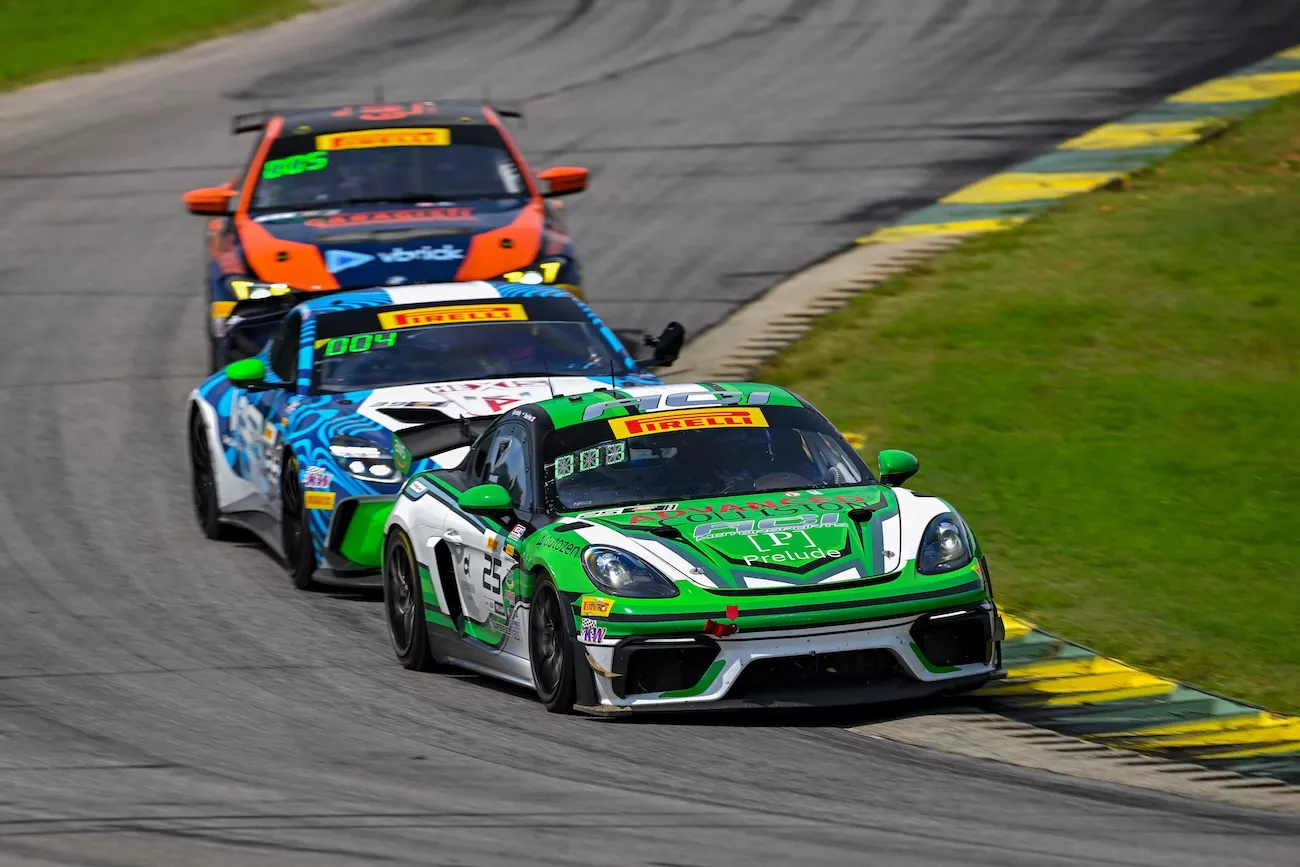

Door-to-door racing with factory-built GT4 machines—pro and amateur drivers battle it out in high-stakes sprint and endurance races.
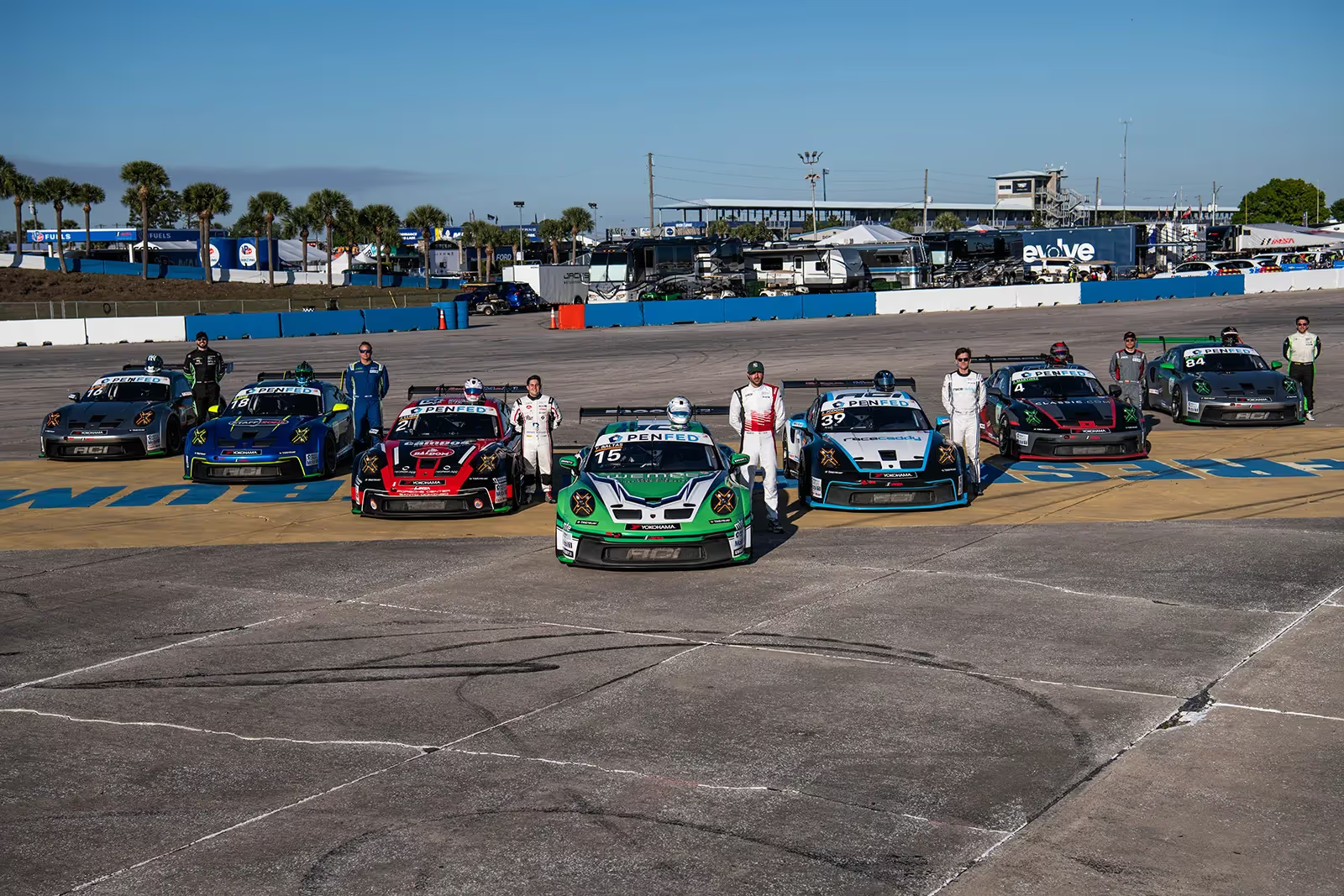

One make. One mission. Identical Porsche 911 GT3 Cup cars, flat-out racing, and rising stars chasing the next level.
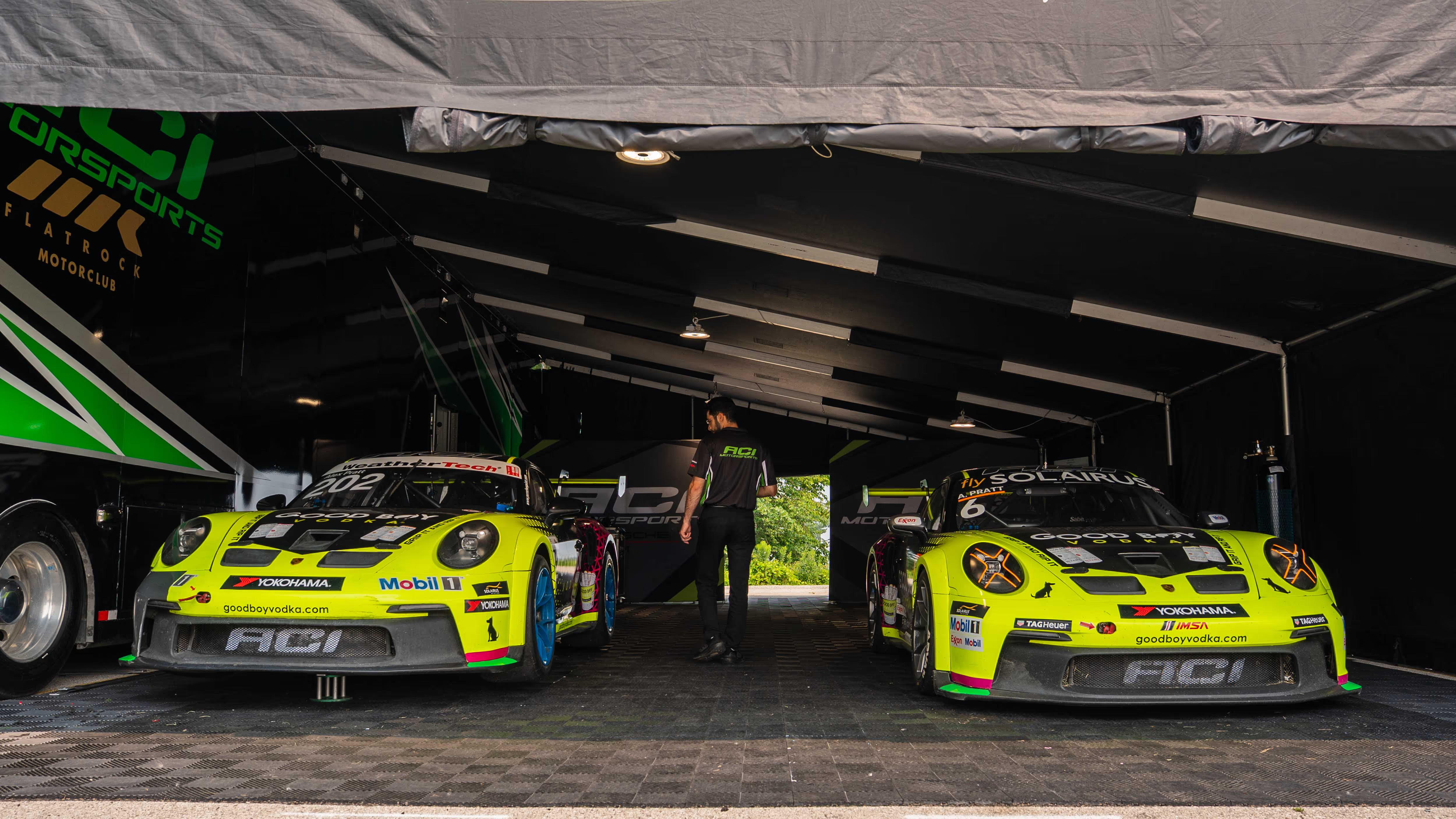

The proving ground for Porsche talent—accessible, competitive racing in 718 Cayman and 911 GT3 Cup cars.
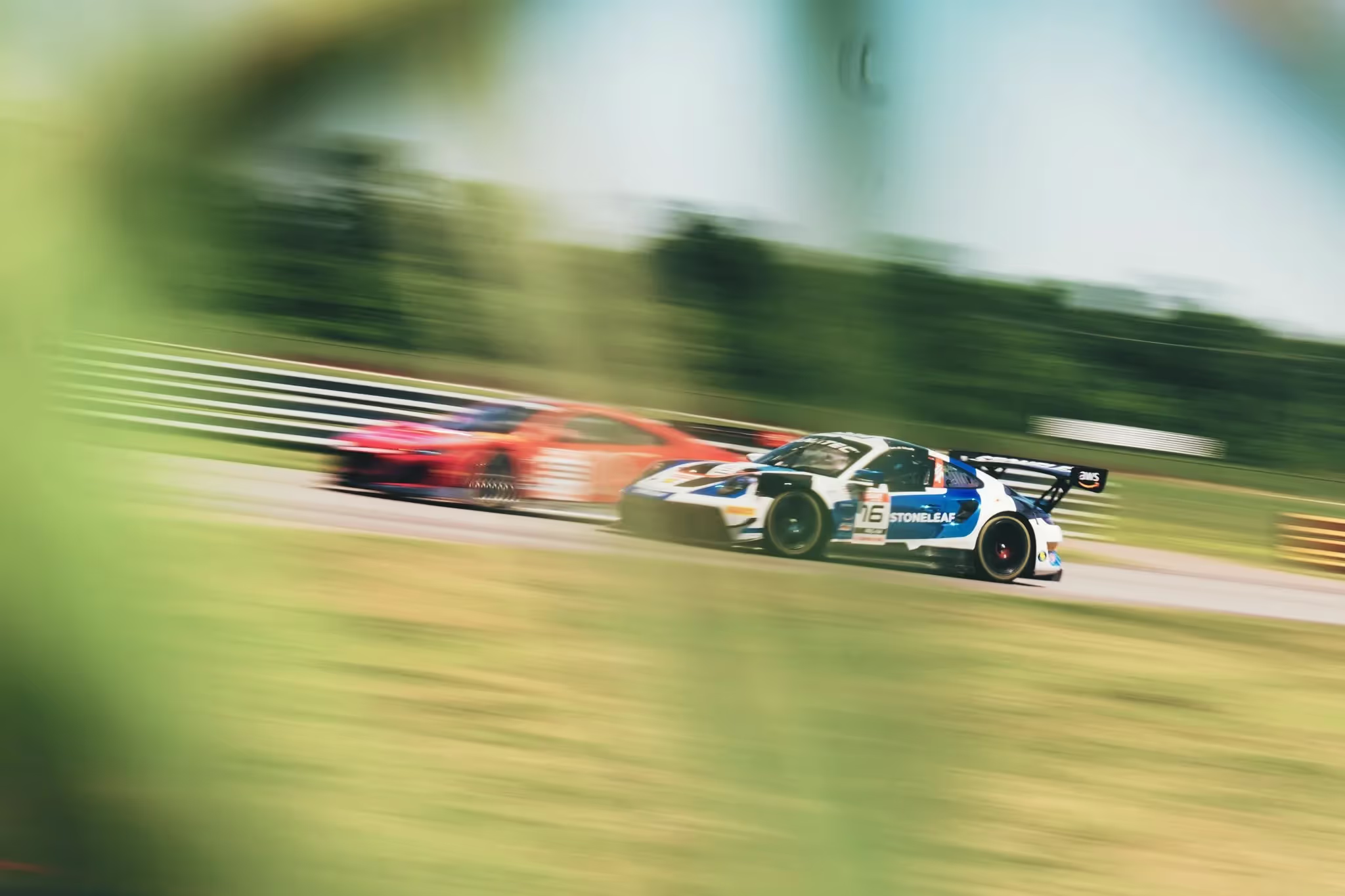

World-class GT3 racing at its finest—top teams, pro drivers, and pure speed across North America’s best tracks.